Gutters, Soffits, and Flashing: What a Roofing Contractor in Darien, IL, Checks Besides the Shingles
Gutters, Soffits, and Flashing: What a Roofing Contractor in Darien, IL, Checks Besides the Shingles
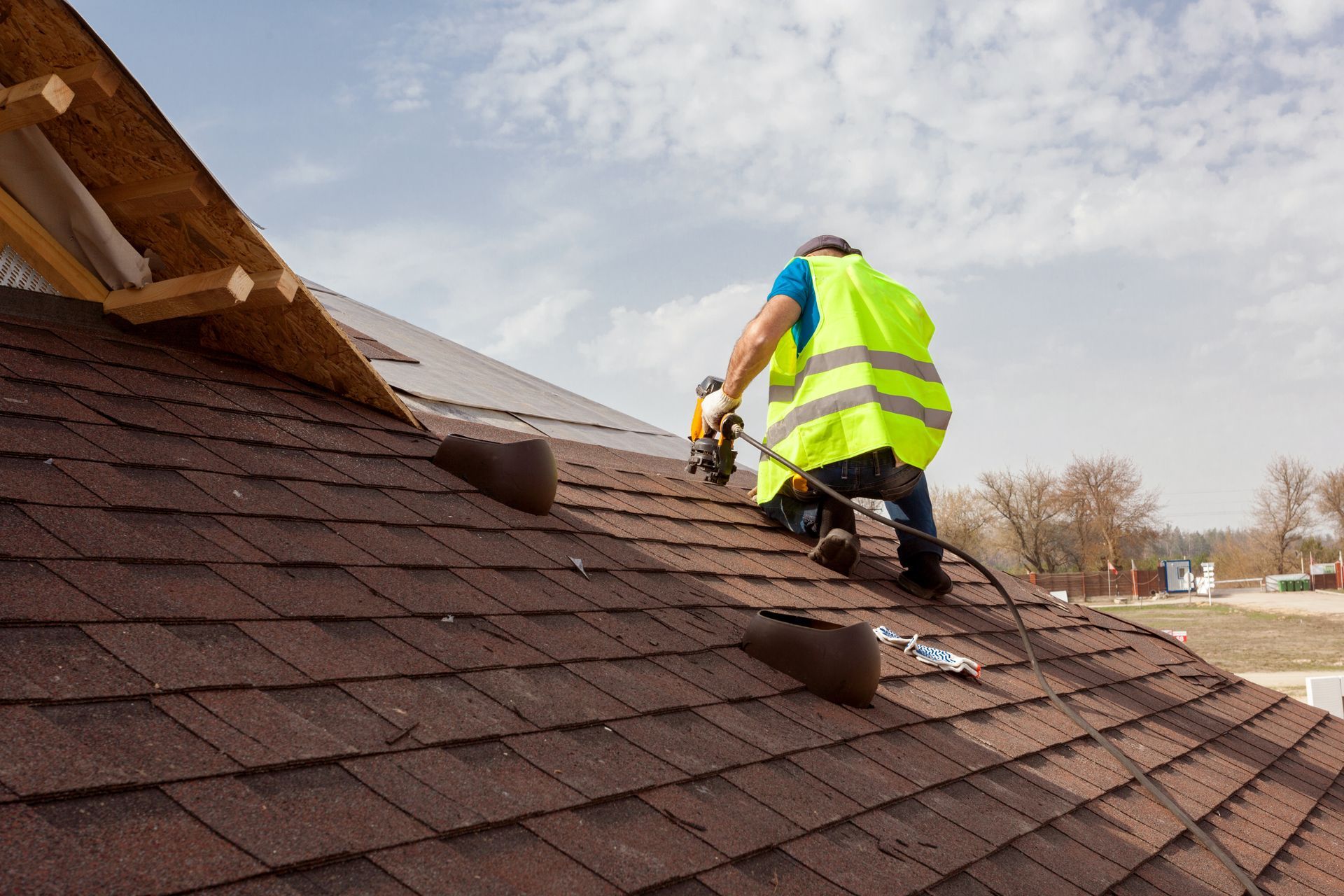
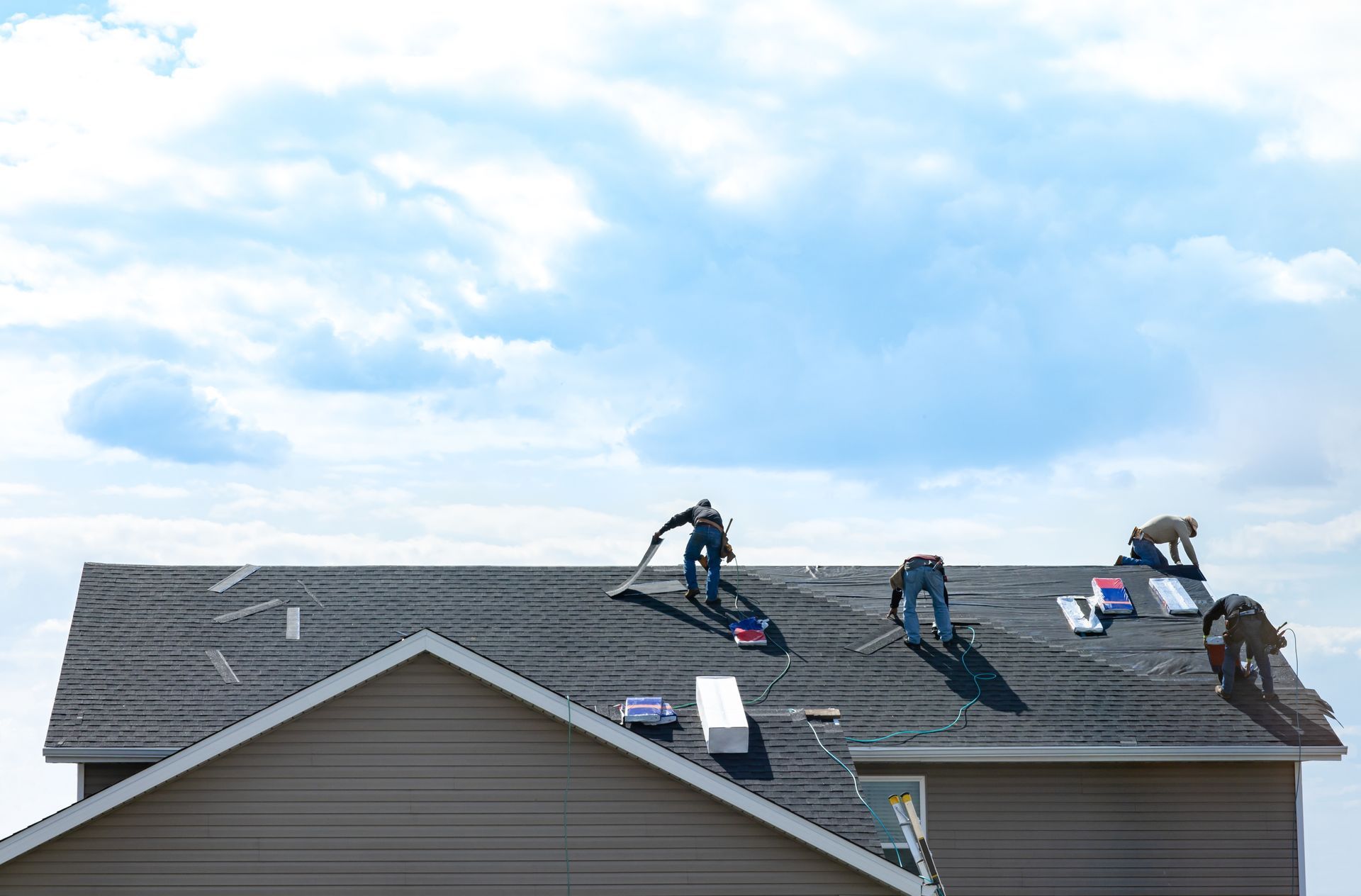
A roof is more than shingles, and this guide explains what a roofing contractor in Darien, IL, checks on gutters, soffits, and flashing. These parts often cause leaks long before the shingles fail.
Why the Small Parts Matter
Water finds the weakest point on a roof.
Even a perfect shingle surface can leak if the edges, joints, and drainage pieces fail. A thorough roofing contractor in Darien, IL, looks at every part that moves water away from your home. Fixing a small problem early is easier than repairing water damage later. Mark your calendar for fall and spring checks so nothing slips through.
Flashing: The Seal at Joints
Flashing is thin metal that seals joints where the roof meets something else.
You can find flashing in these places:
- Around chimneys.
- Around vents and skylights.
- Along walls.
- In roof valleys.
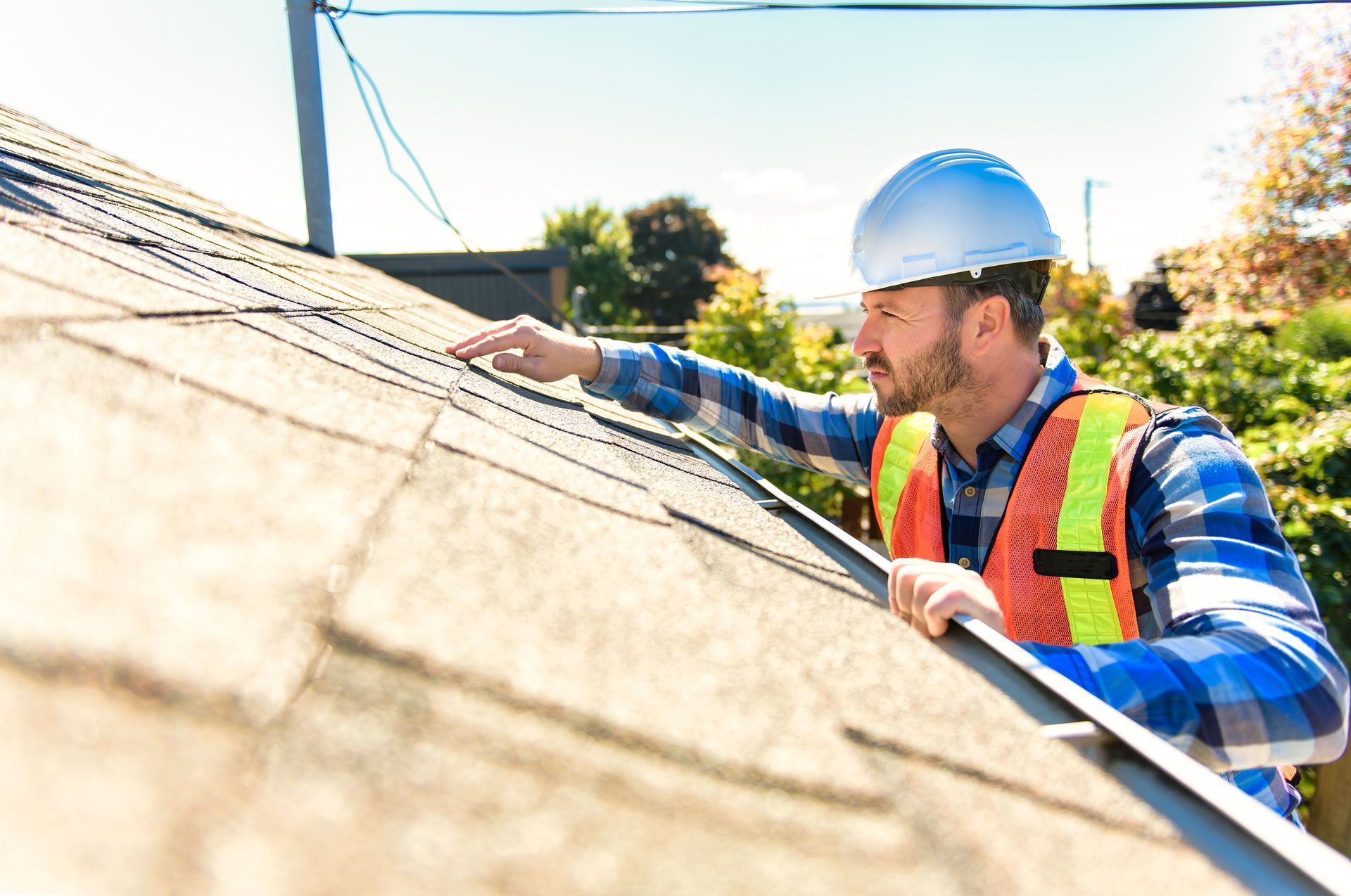
When flashing rusts, bends, or pulls loose, water can slip behind it. Even a small gap can cause a leak during heavy rain. Leaks near a chimney or a wall are often a flashing problem. A roofing contractor checks it closely during an inspection.
Valleys and Roof Openings
Valleys channel a lot of water, so they take extra care.
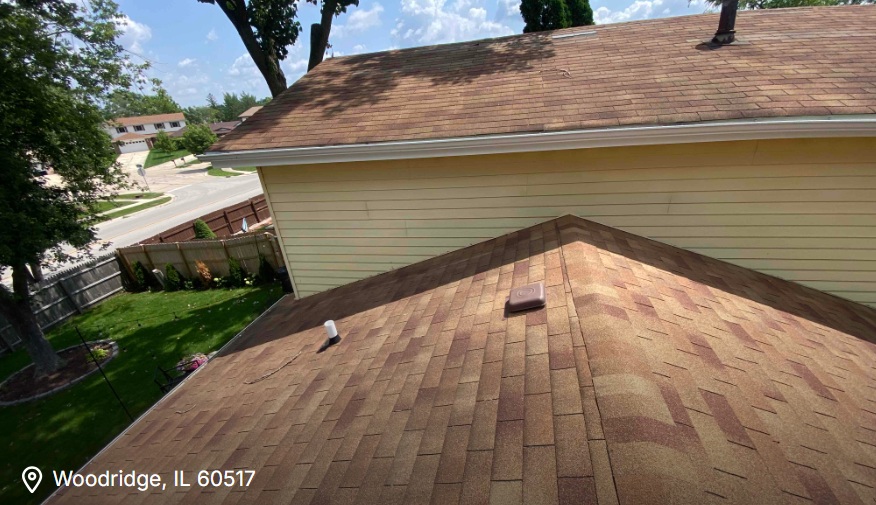
Where two roof slopes meet, water runs quickly and can wear materials down. Vent pipes, exhaust fans, and skylights also create openings that need sealing. Cracked seals and worn boots are common leak sources. Leaves and debris can also collect in valleys and hold water against the roof.
Chimneys, Skylights, and Vents Need Extra Attention
Anything that cuts through the roof creates a spot water can reach.
Here is what each one needs:
- Chimneys: flashing on every side and a sealed cap.
- Skylights: tight seals and good flashing at the corners.
- Plumbing vents: rubber boots that are not cracked or worn.
Checking each one during a visit helps catch small leaks before they stain ceilings.
Gutters and Downspouts
Gutters collect water and send it away from the home.
When they clog or sag, water spills over the edge and can soak fascia boards, siding, and the foundation. In winter, trapped water can freeze and add weight.
During a visit, a roofing contractor checks these things:
- The slope, so water flows toward the downspouts.
- The nails and screws that hold the gutters in place.
- The drainage, to make sure nothing is clogged or leaking.
Gutter guards can also help if leaves are a problem.
Soffits and Fascia
Soffits and fascia finish the roof edge and protect the attic.
The soffit is the underside of the overhang, and it often has vents that help the attic breathe. The fascia is the board along the edge that holds gutters. Rot, gaps, or pests can damage them. Checking these parts helps keep moisture and animals out.
Ventilation and the Attic
What happens under the roof affects what happens on top.
Blocked vents or poor airflow can trap heat and moisture. That can shorten shingle life and cause mold or rot. A roofing contractor often checks vents and the attic space while looking at the roof.
Winter and Storm Stress
Illinois weather tests every part of a roof.
Freezing and thawing can crack sealants and loosen flashing. Ice dams, which are ridges of ice at the roof edge, can push water under shingles near the eaves. High winds can lift edges and bend metal parts. After a major storm, a quick inspection can confirm whether anything needs repair, even when no leak is visible yet.
Signs Something Is Wrong
You may notice these clues from the ground or inside:
- Stains on ceilings or walls near the roof edge.
- Water marks below gutters or along siding.
- Peeling paint on eaves.
- Rust streaks near vents or chimneys.
- Gutters that pull away from the house.
- Damp or musty smells in the attic.
Call a professional if you notice more than one of these signs.
What Repairs Often Look Like
Many repairs are simple when they are caught early.
Common repairs include:
- Resealing a vent boot.
- Replacing corroded flashing.
- Securing a loose gutter.
- Repairing a section of fascia.
Larger problems, such as widespread rot, may need more involved work. A clear explanation helps you decide what to fix first and plan for anything bigger.
How Often to Schedule an Inspection
Many homeowners benefit from a yearly check, plus one after major storms.
Illinois weather can bring hail, wind, and freezing temperatures. Wind can loosen flashing, and hail can dent metal parts. A quick inspection catches problems early. A roofing contractor in Darien, IL, can also remind you when your next visit is due.
Questions to Ask a Roofing Contractor
Good questions help you understand what is included.
- Will you inspect flashing, gutters, and soffits along with the shingles?
- Can you show me photos of any damage?
- What repairs are urgent and what can wait?
- Do you handle gutters and siding too?
Clear answers show a contractor who looks at the whole system. A short visit now can save you from bigger repairs later.
Get a Full Roof Check From a Local Team
Davis Roofing Inc. is based in Lombard, IL, and serves Darien and nearby suburbs with roofing, siding, and gutters. The company is licensed in Illinois, holds Owens Corning and Atlas credentials, and offers free, no-obligation quotes. Call (630) 376-6493 or request an inspection online to get started.
Learn more about our gutter services. To see what customers say, visit Davis Roofing Inc. on Google.